RSPB Pagham Harbour
Birds Photographed Here
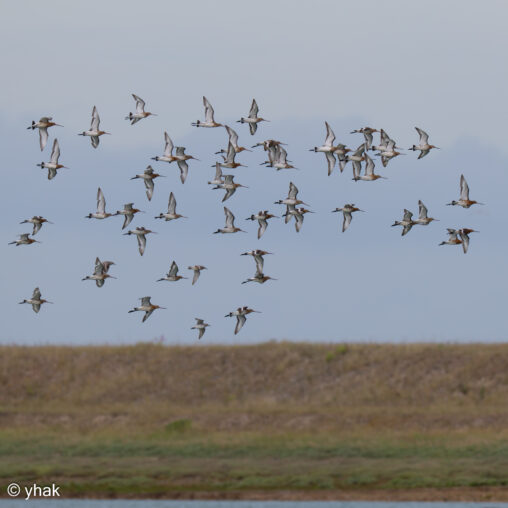
We had a lovely outing yesterday at RSPB Farnham Heath, but I didn’t manage to get a single shot of a bird we haven’t had yet — and…
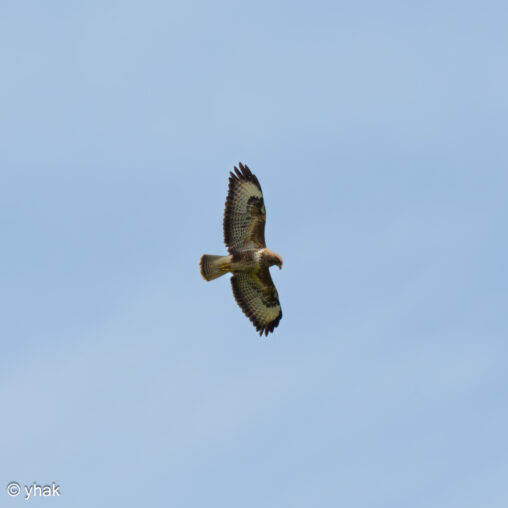
We haven’t had a bird of prey for a little while, so time to fix that. Buzzards are very versatile hunters, which makes them one of the most…
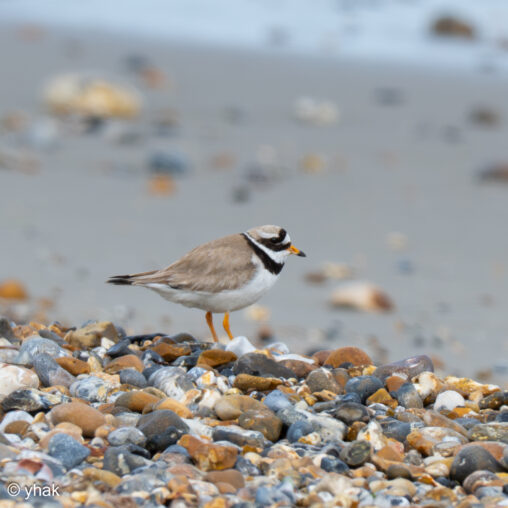
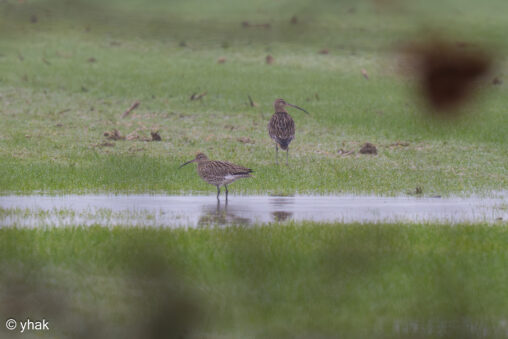
Large parts of RSPB Pagham Harbour were closed off to give ground-nesting birds some privacy to build their nests and raise their chicks. Quite a few species roost…
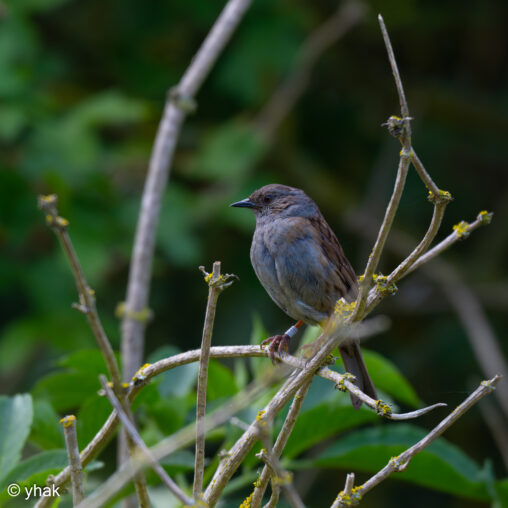
This Dunnock seems to be tagged, though it was not photographed in an enclosure or anything like that — just outside, next to the educational pond at RSPB…
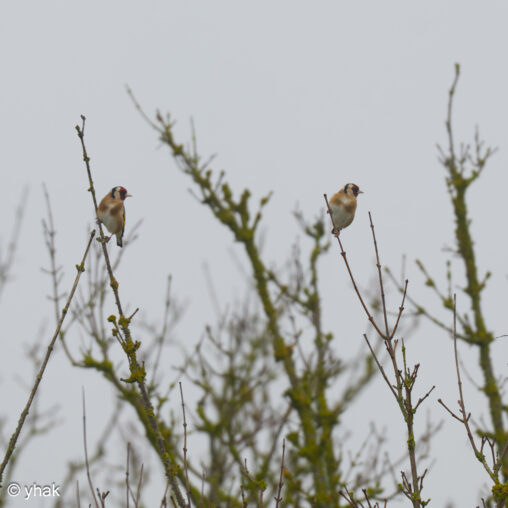
Finally a day without intensive rain, which meant a proper outing into an RSPB reserve. We had a few candidates, but the one with the “best weather” —…
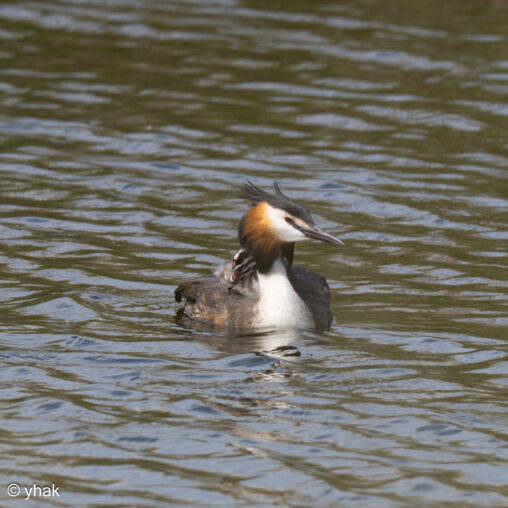
Continuing with the theme of improved-shot-thursday I’d like to present this Great Crested Parent carrying its chick on its back and relaxing in a small pond between the…

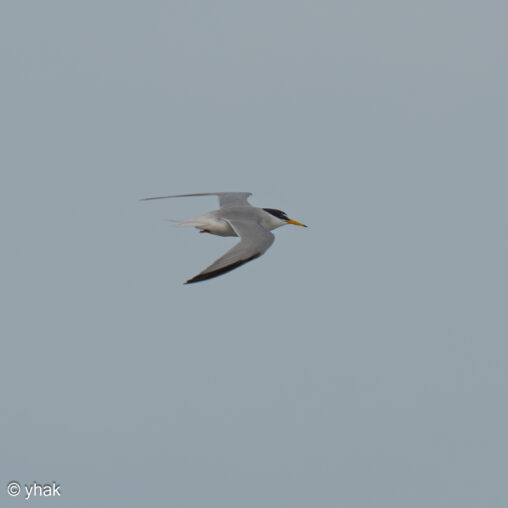
As some might have guessed — today’s bird is the Little Tern, with its yellow beak and black tip. It’s actually physically smaller than the Sandwich Tern, which…
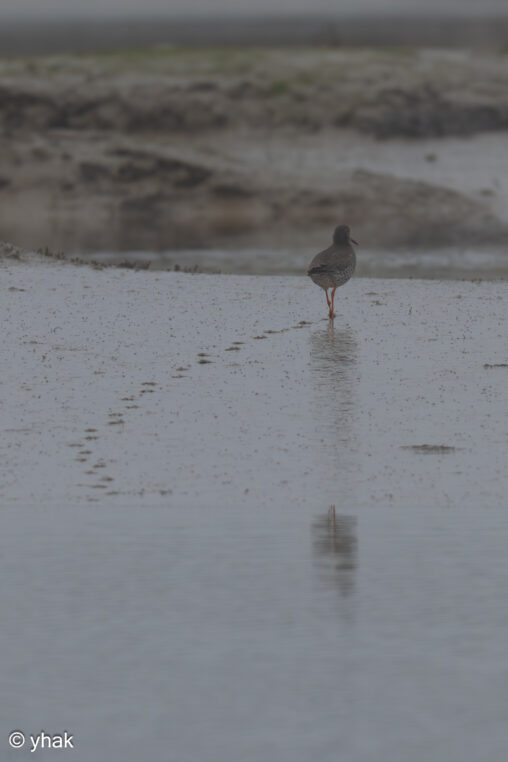
It was a rather grey day yesterday at RSPB Pagham Harbour, but even in greyscale there were some interesting shots — including this Redshank.
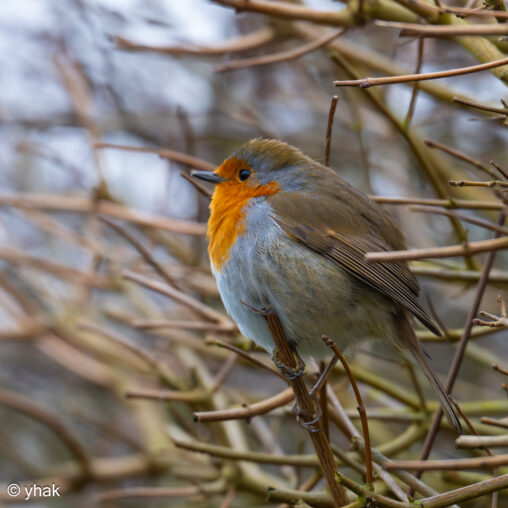
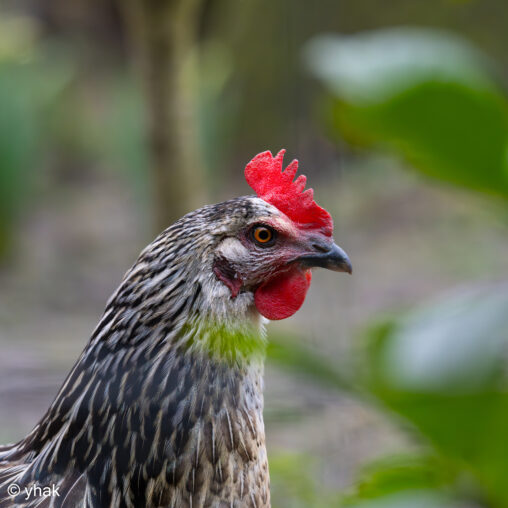
Not exactly a wild bird, but this fierce-looking Rooster was contrasting so nicely with the background…
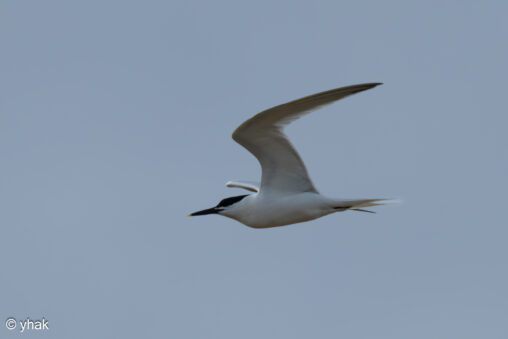
As promised, more sea birds — now from Chichester — kicking off with this Sandwich Tern. During the walk, I was largely ignoring these birds, having taken them…
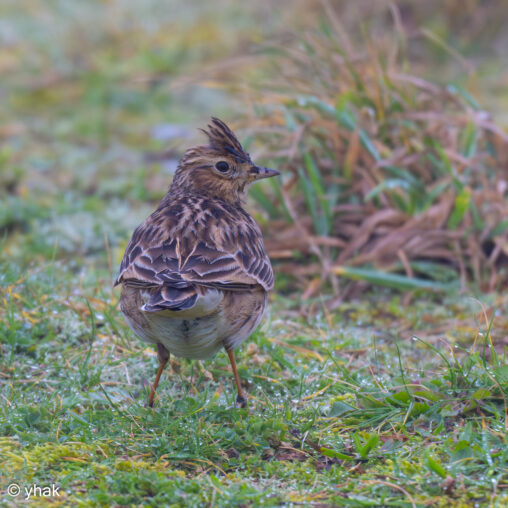
A rather unexpected bird for a seashore outing at RSPB Pagham Harbour: a Skylark. And we did not meet just a single lost one — there were at least…
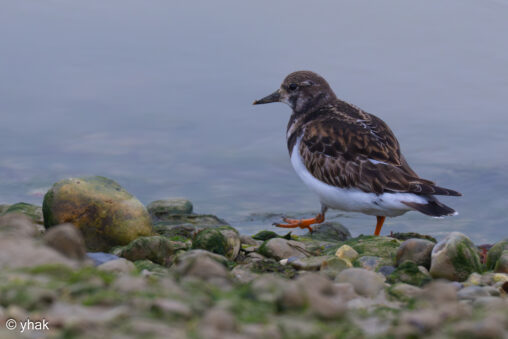
This little bird is called a Turnstone — the name speaks for itself. It uses its beak to turn stones and seaweed near the shore, eating whatever prey it finds…